PSORIASIS UNCOVERED: THE IMMUNE TRIGGERS BEHIND RECURRING FLARE-UPS
Psoriasis is more than just a skin condition—it’s a complex immune-related disorder that often leads to recurring flare-ups. Many people struggle with the same frustrating cycle: symptoms improve, then suddenly return. So what’s really happening beneath the surface?
The Role of the Immune System in Psoriasis
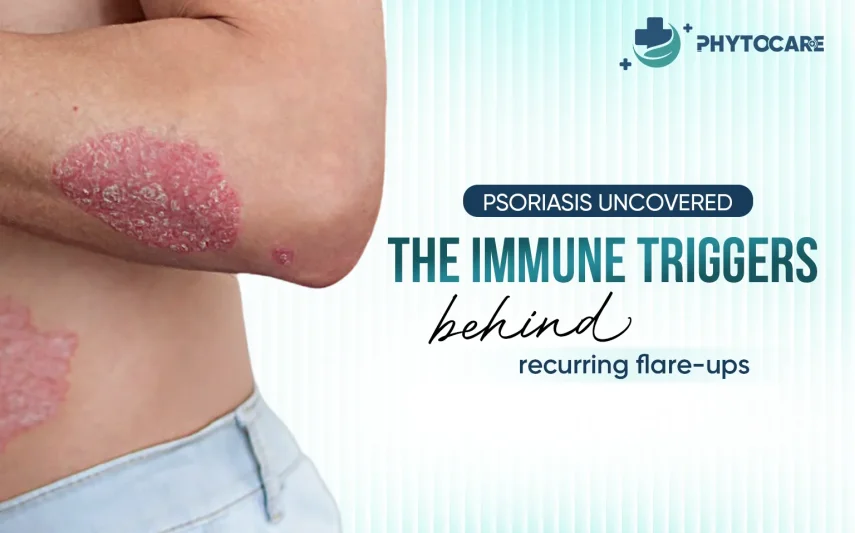
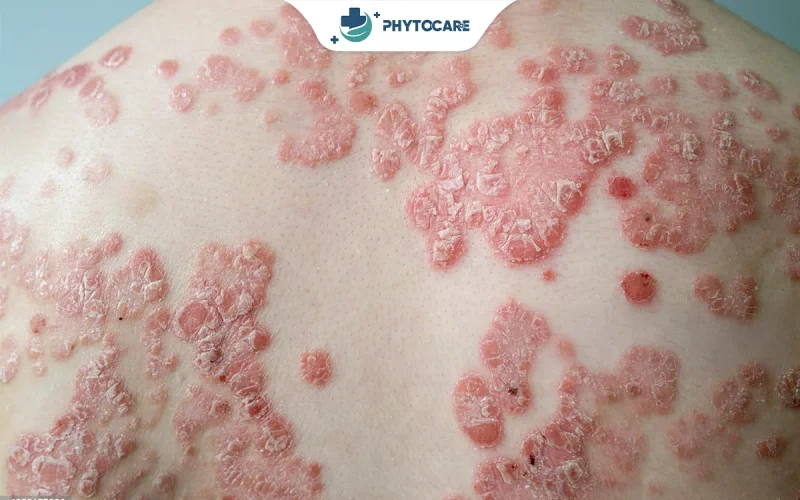
At its core, psoriasis is driven by an overactive immune system. Instead of protecting the body, immune cells mistakenly attack healthy skin cells, speeding up their life cycle. This leads to the buildup of thick, red, scaly patches on the skin.
Why Flare-Ups Keep Coming Back
Even when symptoms seem under control, underlying immune activity can still be present. Certain triggers can “reactivate” the condition, causing flare-ups to return.
Common immune triggers include:
- Stress – increases inflammatory responses in the body
- Infections – such as colds or throat infections
- Weather changes – especially cold, dry conditions
- Skin injuries – cuts, scratches, or irritation
- Lifestyle factors – including poor sleep or unhealthy habits
Inflammation: The Root Cause
Chronic inflammation plays a key role in psoriasis. When the immune system stays in a constant state of alert, it continues sending signals that accelerate skin cell production. This is why flare-ups can be persistent and difficult to control with surface-level treatments alone.

Why Treating the Root Matters
Many people focus only on visible symptoms like redness or scaling, which may bring temporary relief but does not address the underlying immune dysfunction. Modern psoriasis care instead targets inflammation at its source, regulates immune activity, and strengthens the skin barrier for long-term control.
Long-Term Control Is Possible
Although psoriasis is a chronic condition, it can be effectively managed. With the right approach, many people achieve long periods of stable skin and fewer flare-ups.
Today’s dermatology treatments are designed to go deeper than the surface. Depending on the condition, options may include:
- Light-based therapies (such as Blue Light or UVB) to reduce inflammation
- Laser treatments to target affected areas more precisely
- Topical or systemic medications to regulate immune responses
Personalized care plans tailored to each individual
Key Takeaway
Psoriasis flare-ups don’t happen randomly. They are often triggered by immune system activity and external factors. Understanding these triggers is the first step toward long-term control.
If you’re experiencing recurring flare-ups, a personalized treatment approach can help you better manage your condition and maintain healthier, more stable skin over time.