INFANTILE ECZEMA: SIGNS PARENTS SHOULD NEVER IGNORE
Infantile eczema is more than just occasional dry skin. It’s a common yet complex inflammatory condition that can significantly affect a baby’s comfort and development. Many parents notice red, irritated patches that seem to improve, only to flare up again unexpectedly. So what should you really be paying attention to?
What Is Infantile Eczema?
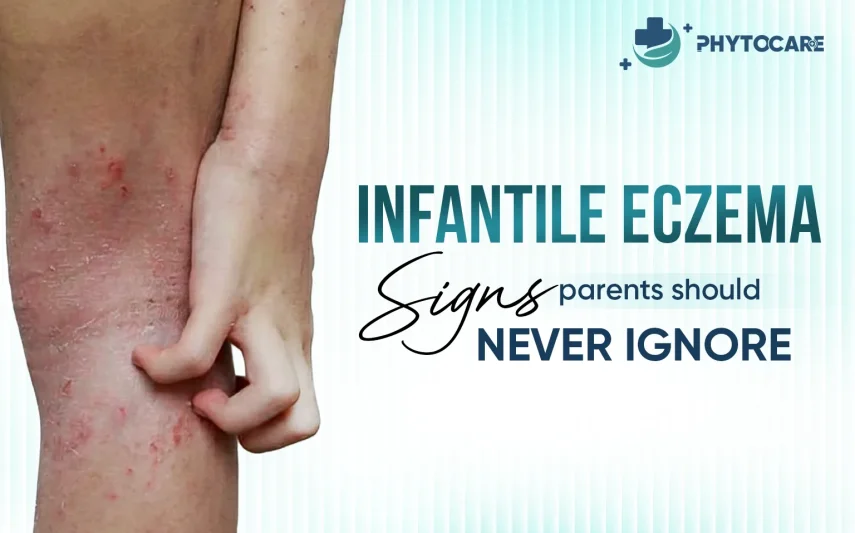
Infantile eczema, also known as atopic dermatitis in babies, is linked to an immature skin barrier and an overreactive immune response. A baby’s skin loses moisture more easily, making it vulnerable to irritants, allergens, and bacteria.
This leads to symptoms such as redness, dryness, itching, and sometimes oozing or crusting areas on the skin, commonly on the cheeks, scalp, arms, and legs.
Early Signs Parents Should Watch For
Recognizing eczema early can help prevent the condition from worsening. Some key warning signs include:
- Persistent dry, rough patches that don’t improve with regular moisturizing
• Red or inflamed skin, especially on the cheeks and folds of the arms/legs
• Frequent scratching, fussiness, or sleep disturbances due to itching
• Skin that becomes thickened or darker over time
• Oozing, crusting, or signs of infection in more severe cases
Why Eczema Keeps Coming Back
Even when the skin looks better, underlying inflammation may still be present. This is why eczema often follows a cycle of flare-ups and remission.
Common triggers include heat and sweating, harsh soaps or skincare products, and environmental factors like dust or pet dander. Certain fabrics such as wool and changes in weather, especially cold or dry air can also make symptoms worse.

The Role of Skin Barrier Dysfunction
At the core of infantile eczema is a weakened skin barrier. When this barrier is compromised, moisture escapes and irritants penetrate more easily. This not only causes dryness but also triggers inflammation and itching leading to a continuous cycle that’s hard to break without proper care.
Why Early Care Matters
Many parents believe eczema is something babies will easily disappear on its own, but without proper care, it can worsen and lead to infections or long-term skin sensitivity. Early intervention is key which focuses on restoring the skin barrier, reducing inflammation, minimizing triggers, and preventing severe flare-ups.
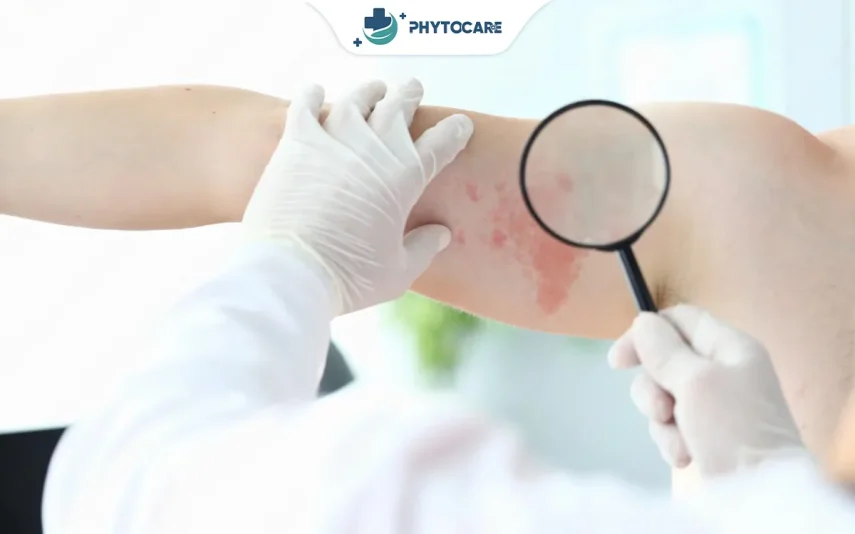
Modern dermatology uses a gentle, comprehensive approach, including medical-grade moisturizers, anti-inflammatory treatments, and tailored skincare routines. In some cases, advanced therapies may be recommended, with personalized care plans to support long-term skin health.
Key Takeaway
Infantile eczema is not just temporary. It needs early care and attention. Recognizing signs and triggers can greatly improve your child’s comfort and skin health.
If symptoms persist, professional guidance can help manage the condition and support healthier skin.