
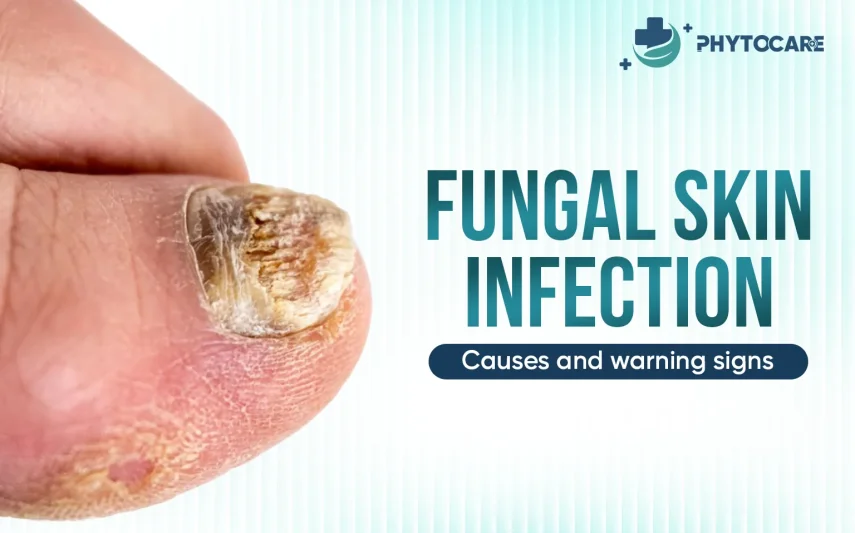
FUNGAL SKIN INFECTION: CAUSES AND WARNING SIGNS
Fungal skin infections are among the most common dermatological conditions, affecting people of all ages. While they may start as mild irritation, they can quickly spread, become persistent, and cause significant discomfort if not properly treated. Understanding the causes and recognizing early warning signs is key to effective management.
What Is a Fungal Skin Infection?
A fungal skin infection occurs when fungi grow excessively on the skin’s surface. These microorganisms naturally exist on the body, but under certain conditions, they can multiply rapidly and disrupt the skin’s balance.
Common types include ringworm, athlete’s foot, and yeast infections, often appearing in warm, moist areas such as the feet, groin, underarms, and skin folds.
Common Causes of Fungal Skin Infections
Fungal infections don’t happen randomly. They are usually triggered by specific environmental and lifestyle factors:
- Warm and humid environments that promote fungal growth
• Excessive sweating without proper cleansing
• Tight or non-breathable clothing that traps moisture
• Poor hygiene habits or infrequent skin care
• Weakened immune system, making the body more vulnerable
• Sharing personal items like towels, shoes, or clothing
These conditions create the perfect environment for fungi to thrive and spread across the skin.

Warning Signs You Should Not Ignore
Early detection can prevent the infection from worsening or spreading. Watch out for these common symptoms:
- Persistent itching or burning sensation
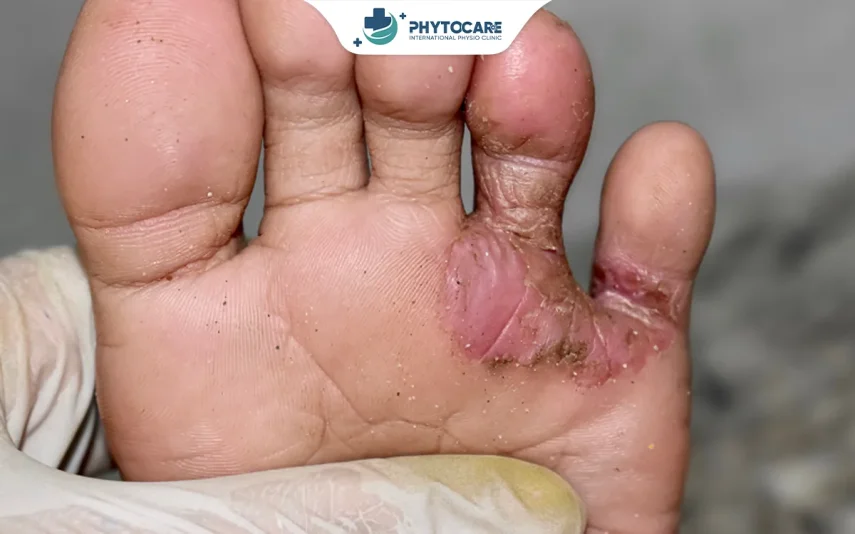
• Red, inflamed, or scaly patches on the skin
• Circular rashes with clearer centers (common in ringworm)
• Cracked, peeling, or flaky skin
• Discoloration or darkened areas after inflammation
• Small blisters or oozing in more severe cases
If left untreated, these symptoms can intensify and affect larger areas of the body.
Why Fungal Infections Keep Spreading?
Fungal infections can easily spread if the underlying causes are not properly controlled. Even when symptoms seem to improve, fungi may still remain on the skin or in the surrounding environment, leading to further spread to other areas of the body or even to others.
Effective Treatment and Prevention
Modern dermatology focuses not only on treating fungal infections but also on preventing them from coming back. Effective care depends on the severity of the condition and aims to eliminate fungi while restoring the skin’s natural balance.

Treatment may include topical antifungal medications, oral therapy for more severe cases, and proper daily hygiene routines. Keeping the skin clean and dry, wearing breathable clothing, and following a personalized care plan are key to long-term control and prevention.
Key Takeaway
Fungal skin infections are common but should never be overlooked. Identifying the causes and recognizing early warning signs can help prevent complications and recurring issues.
If you’re experiencing persistent symptoms, seeking professional dermatological care can ensure accurate diagnosis, effective treatment, and healthier, more balanced skin over time.